
The Break-Up

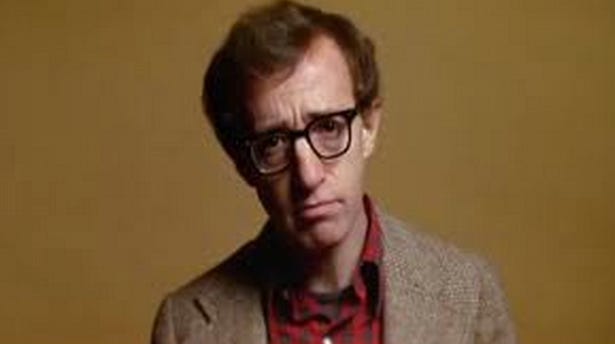
You either build or you destroy.
That’s the message.
It’s not a continuum. There are no levels, no gradient from creation to destruction. No in-between. You either build things or you destroy them.
Simple. And I get it. It’s a call to movement. It’s saying that the actions of any person can be deemed as either constructive or destructive. The decisions that we make will contribute positively to society or will cause harm.
This is how I feel about social media. It was once a force for good, connecting us to friends we had lost touch with or family members who we only saw at weddings and funerals. The world was somehow much bigger but also much closer. And we all bought into it because it was cool and innovative but also because it enriched our lives in some way.
Then it evolved. The idea of friends turned into something new: followers. Famous people were opening up their lives to us. Stephen Fry would tell you what he had for breakfast and you could respond to him. He might even say something back.
Things were shifting.
But, as a writer, it was useful. It wasn’t difficult for me to get my friends to buy a copy of my book. It wasn’t hard for them to give me feedback. But, all of a sudden, I could connect with the readers I didn’t know from school or the handful of crap jobs I’d had before I was traditionally published. I could have a dialogue with those who appreciated what I had created, and they could be anywhere in the world.
I could keep Facebook to congratulate the guy who sat a few rows in front of me in year ten chemistry on the birth of his first child, and I could use Twitter to connect with my readers and other writers.
Positivity.
Connection.
Building.
But the idea of followers didn’t - and still doesn’t - sit well with me. Because it implies that one is leading others somewhere. In my case, it was true. I was leading them towards my work or the work of others whom I appreciated.
But it changed again. It hit a height. Building became too difficult. It’s much easier to destroy, it seems.
I knew I needed to leave it alone, to get away but I hung in there, hoping. And then, something happened…
Annie and I broke up.
I don’t have a girlfriend called Annie. That’s not what this is about. I’m referencing the opening monologue to Annie Hall - that’s where I took the image for this piece. In that opening few minutes, Woody Allen - or his character, Alvy Singer - says that ‘Life is full of loneliness and misery and suffering. And it’s all over much too quickly.’ I think this is more interesting than the idea that we either build or destroy, and it fits our times much better.
Essentially, everything is shit and we need to find a way to somehow enjoy it.
But, at the end of the monologue, what he is building towards, is the fact that he and Annie broke up. And he just can’t seem to get his head around it.
On 11th of October, I felt the same.
Diane Keaton, born Diane Hall (Annie Hall), died. She was my favourite actress. Of course, people know her from her iconic role and the fact that she was also in The Godfather films, but I loved her more than that. She had a really off-beat quality to her. She was singular and strong, and she had presence.
I’m a huge fan of Woody Allen’s films and Keaton was wonderful in Sleeper, Love & Death, and, my favourite, Manhattan. She could be whacky or slapstick but she could also be serious - watch Mr Goodbar or Reds or Marvin’s Room. She got older. Her hair went grey. She had wrinkles. And she looked wonderful. Bright. A real star.
She was an icon. And I think that there are not many left. I know that I hold artists up as beacons of hope, and I won’t apologise for that. I’ll probably cry when Joni Mitchell dies. I’ll be sad as hell when De Niro leaves this mortal coil. I probably won’t be able to read Chuck Palahniuk’s final novel because, then, I would have to admit that he is gone.
And, I guess I thought that others would feel the same way about her.
Then I saw this on Twitter: (I know it’s called X, now. But how shit is that?)
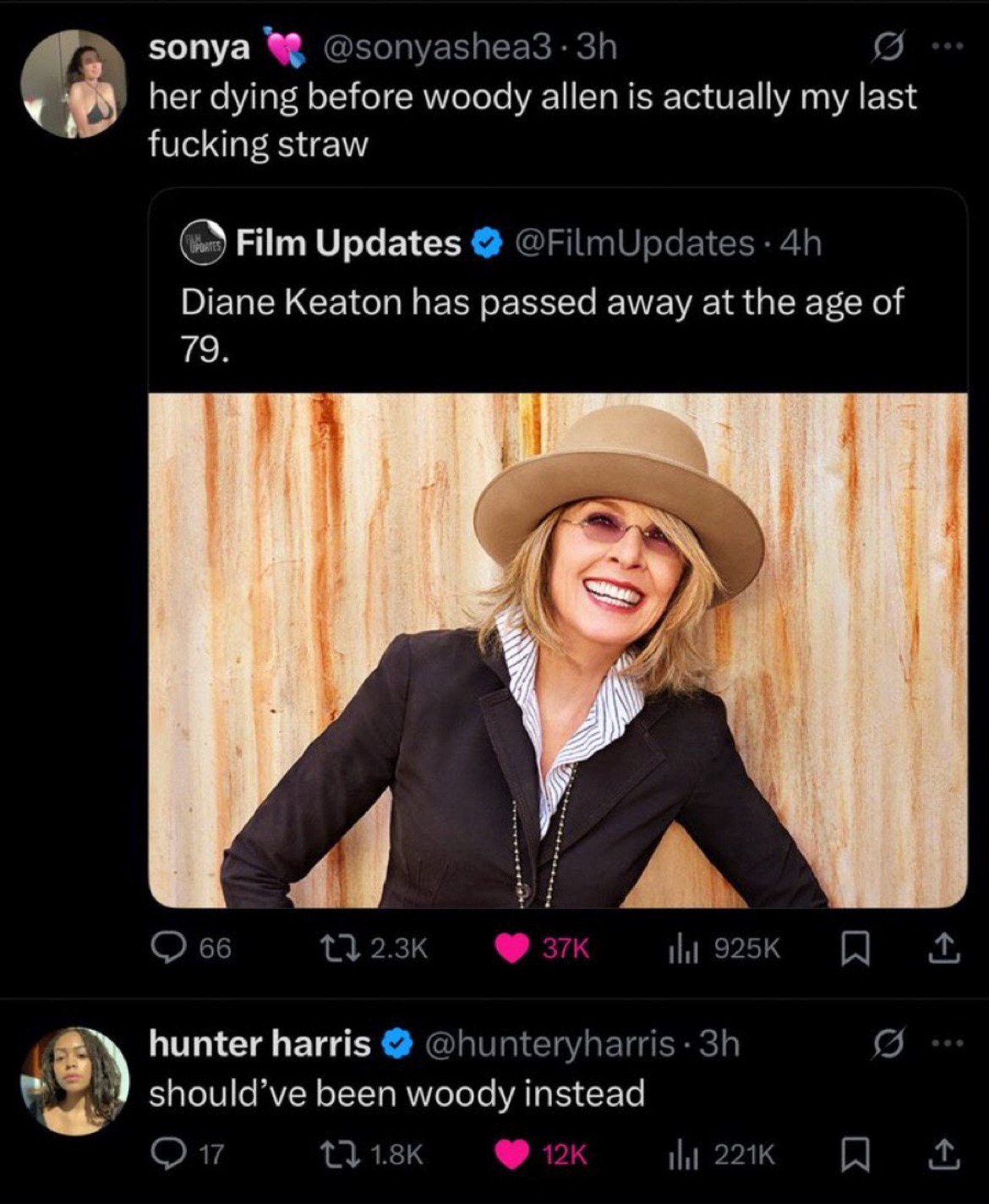
Look at that lovely picture of her. Smiling. Stylish. And then the comments that surround her. Disgusting. I know that people have opinions about Woody Allen - who did not marry his own daughter and has not been found guilty of anything other than being a prolific movie-maker - but those comments don’t belong here.
And anybody who really did like Diane Keaton as a person or an actress would know how much she would have hated those comments because she supported her friend, Woody Allen, until the end.
The natural death of Diane Keaton is not the place to get on one’s soapbox about something. Sure, if she was shot or poisoned or hit by a drunk driver, there’s something worth shouting about. But I feel that with her work and her personality and her undeniable star quality, this should have been a time for quiet. For reflection.
But it wasn’t.
Because it’s harder to build than it is to destroy.
And that was the final straw, for me. I’ve left Twitter/X. My account is still active because some people still contact me through that platform but it’s over. It was great for a while but now it’s done.
And it feels a little like a break-up. Like I should pick a sad song and listen to it on repeat for the next week. Instead, I turn to Substack. My new relationship. A place where I can build.
On that note, I want to share some of my favourite break-up albums. Works of art that show how, sometimes, destruction can lead to great creativity.
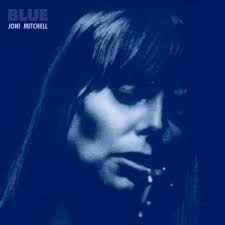
Joni Mitchell - Blue. The ultimate heartbreak record, packed with vulnerability and haunting melodies, with lyrics that will knock you on your arse. Everyone talks about River and Case Of You (find Prince’s version of this song, it’s lovely) but there are no duds. I’d steer you towards All I Want and California, too.
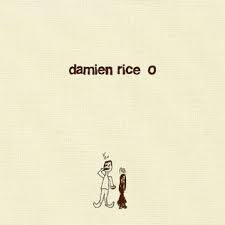
Damien Rice - O. Again, there are no bad songs. There was an album after this but it took nine years to write the next one because this was so good. It sparse and simple and, while many find it perfect for crying alone in the dark, I find it weirdly uplifting, despite the fact that it makes me cry.
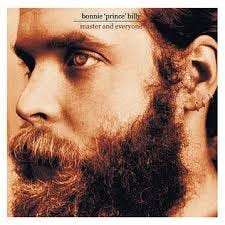
Bonnie Prince Billy - Master and Everyone. Some might say that this is more of an emotional detachment album than a break-up album, but they’re wrong. There’s a quiet reflection to the simple songs on this album. The Way, Wolf Among Wolves and Lessons From What’s Poor stand out but Joy and Jubilee is wonderfully optimistic and melancholic. Guitar and harmonies abound.

Bon Iver - For Emma, Forever Ago. There’s a gorgeous fragility to this album. Justin Vernon, allegedly, went on a Wisconsin retreat after a break up, sat in a cabin, and wrote all of these haunting songs. There has been a more ‘known’ version of Skinny Love, which I don’t particularly enjoy, it’s better on the album. Also check out Blindsided and re:Stacks. Flume is probably my favourite song, though not this album version. It’s definitely worth listening to Peter Gabriel’s cover but if this stripped-back version doesn’t give you goosebumps, you’re dead inside:
I know that people tend to write a top five and I know that there are other great break-up albums - Rumours, Blood on the Tracks, Back to Black - but these are the ones I return to again and again. And not because they make me feel sad or I want to feel that way, it’s because I find them hopeful. That something so beautiful can come out of so much pain.
That, instead of opting for self-destruction, these people chose art. They chose creativity. They chose to open themselves up, and to build.

Yes. Amen to all that.
I closed my Twitter account a month after opening Blue Sky. Didn't even bother with a decent overlap, it was so dire.
Thank you, lovely sentiments. Never been on Twitter myself. Sounds like a good call.